 Yongce Group Co., Ltd.
Photovoltaic Power Generation Box-type Substation Product Introduction
1. Product Brief Introduction
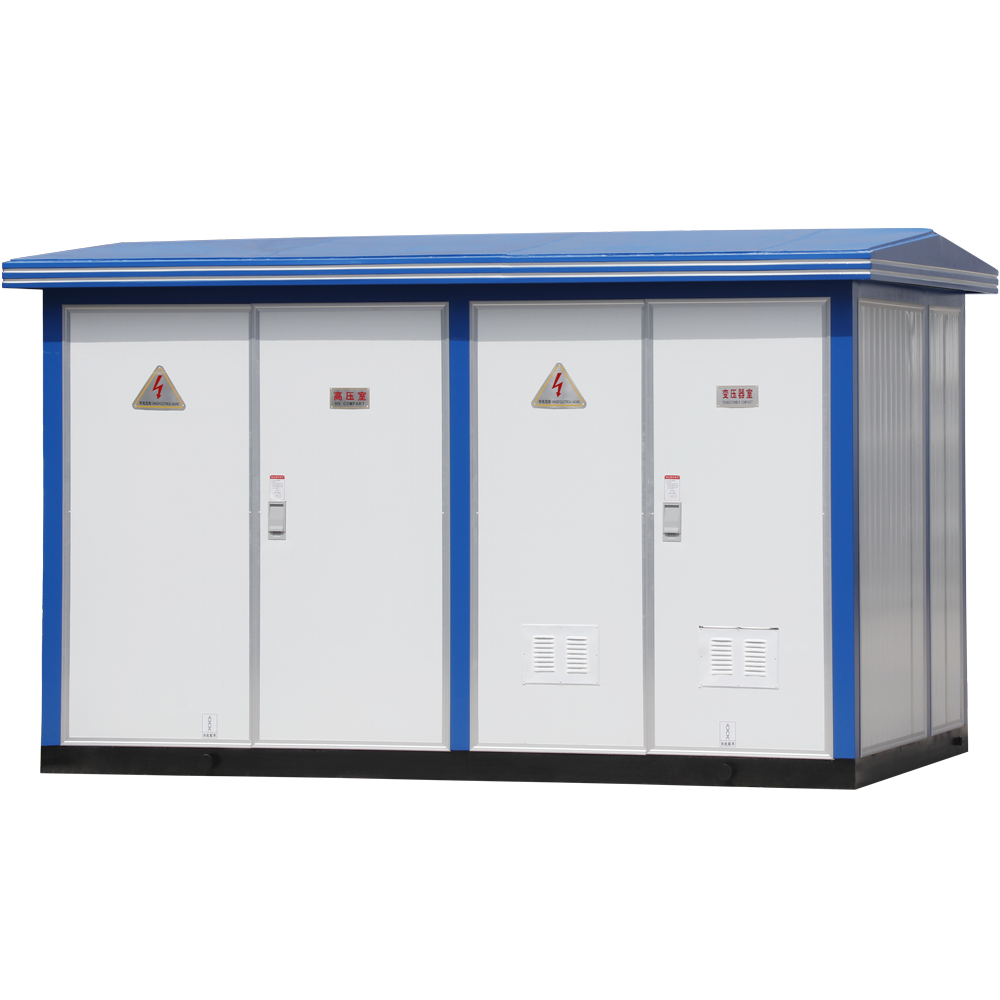
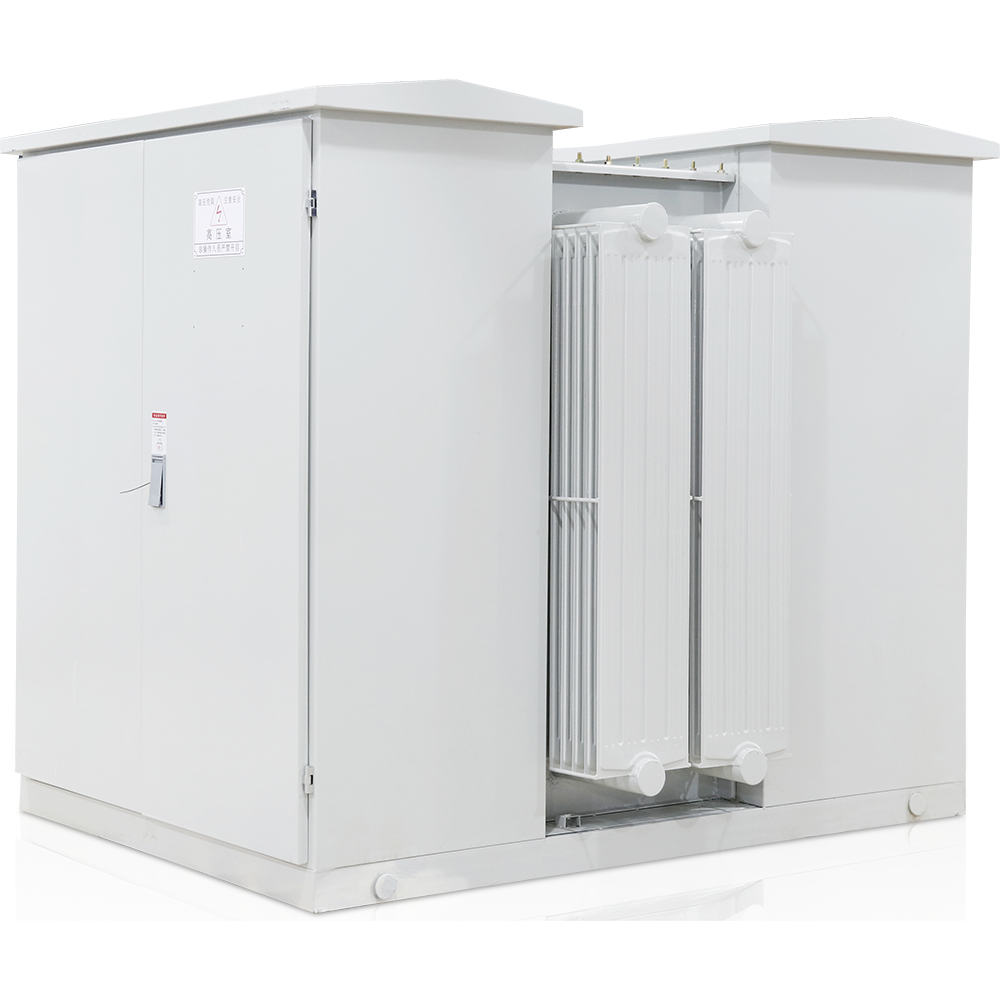
The photovoltaic power generation box-type substation is a special complete set of power distribution equipment for photovoltaic power stations, custom-designed for photovoltaic DC power generation system access. It integrates core components such as photovoltaic step-up transformer, high and low voltage switchgear, lightning protection device, measurement and control meter, and reactive power compensation. It realizes AC-DC conversion, step-up and voltage stabilization, protection and safe operation control of photovoltaic power energy. Adopting factory pre-assembly and integrated box-type structure, it has the characteristics of matching photovoltaic power generation characteristics, grid-connected compliance, convenient installation, and high operation efficiency. As the core power equipment of centralized and distributed photovoltaic power stations, it can be directly connected to photovoltaic arrays and power grid/energy storage systems.
2. Scope of Application
- Distributed photovoltaic: Power distribution supporting industrial and commercial rooftop photovoltaic, user-side photovoltaic power stations, park distributed photovoltaic, building-integrated photovoltaic (BIPV).
- Centralized photovoltaic: Step-up and grid-connected power distribution for large ground photovoltaic power stations, photovoltaic agricultural greenhouses, photovoltaic hydro互补 power stations.
- Energy storage system supporting: Energy conversion and grid connection of optical storage integrated power stations and microgrid photovoltaic systems.
- Special photovoltaic scenarios: Desert photovoltaic, water surface photovoltaic, rooftop light-weight photovoltaic power stations (customized box structure available).
- Voltage level configuration: 0.4kV low-voltage side incoming line, 10kV/35kV grid-connected high-voltage side outgoing line, covering photovoltaic power station capacity demand from 50kW to 20MW.
3. Model Definition (General Compilation Rules for Photovoltaic Special Box-type Substation Industry, Taking 10kV as an Example)
The model number of photovoltaic box-type substation is compiled by general code + voltage level + transformer capacity + photovoltaic characteristic code. The core model such as YBM-GF-12/0.4-800, with clear definition of each part, matching photovoltaic grid-connected specifications and no redundant codes. Details are as follows:
- YBM: General code for prefabricated box-type substation (Y - Prefabricated, B - Substation, M - Sealed type, suitable for outdoor/rooftop of photovoltaic power stations).
- GF: Photovoltaic characteristic code (G - Photovoltaic, F - Power generation/grid connection), as the core identifier of photovoltaic box-type substation, distinguishing from ordinary industrial substations.
- 12/0.4: Rated voltage, 12kV (10kV power grid universal) on high voltage side, 0.4kV on low voltage side (standard voltage of photovoltaic array AC output side); 35kV photovoltaic substation is marked as 35/0.4.
- 800: Rated capacity of photovoltaic special step-up transformer, unit kVA. Common specifications for photovoltaic use are 200/315/400/500/630/800/1000kVA.
- Extended code: C - Industrial and commercial distributed type, J - Centralized ground type, L - Lightweight rooftop type, Z - Intelligent grid-connected type, customized to meet the needs of different photovoltaic scenarios.
4. Main Technical Parameters
4.1 Low Voltage Side (Photovoltaic Grid-connected Input Side, 0.4kV)
- Rated Voltage: 400V/230V (line/phase voltage), matching the standard voltage of photovoltaic inverter AC output.
- Rated Current: 200A/400A/630A/800A/1250A.
- Access Circuits: 1-8 circuits (parallel input of photovoltaic inverters, customizable).
- Lightning Protection: Configured with Class II surge protection device (SPD), nominal discharge current ≥40kA, adapting to outdoor protection needs of photovoltaic power stations.
- Measurement Function: Standard photovoltaic special metering meter, supporting forward/reverse energy metering (complying with grid-connected metering specifications).
- Grid-connected Protection: Standard anti-islanding, overvoltage/undervoltage protection, overfrequency/underfrequency protection, phase loss protection (core protection for photovoltaic grid connection).
4.2 Photovoltaic Special Step-up Transformer Part
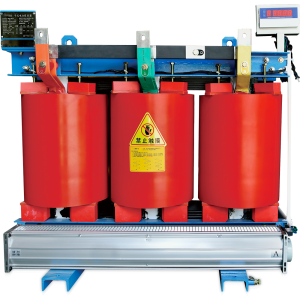
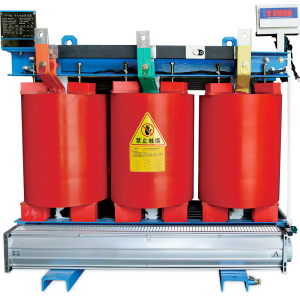
- Type: Dry-type SCB14/SCB15/SCB16 (mainstream for photovoltaic, energy-saving, fireproof, suitable for outdoor/rooftop); oil-immersed S14/S15 can be selected for outdoor centralized photovoltaic.
- Rated Capacity: 50kVA-2500kVA (200-800kVA commonly used for distributed photovoltaic, 1000-2500kVA for centralized photovoltaic).
- Impedance Voltage: 4%-6% (10kV side), 8%-10% (35kV side), adapting to stable characteristics of photovoltaic load.
- Connection Group: Dyn11/Yyn0 (special for photovoltaic, reducing harmonic influence and adapting to inverter output characteristics).
- Insulation Level: Dry-type F/H level, oil-immersed A level, temperature rise limit meets long-term full-load operation requirements of photovoltaic.
- Protection Level: IP20/IP23 (dry-type), IP54/IP65 (integral box), adapting to outdoor photovoltaic scenarios.
4.3 High Voltage Side (Grid-connected Output Side, 10kV/35kV)
- Rated Voltage: 12kV (10kV power grid), 35kV (medium voltage power grid).
- Rated Current: 630A/1250A.
- Rated Short-Circuit Breaking Current: 12.5kA/16kA/20kA (10kV), 12.5kA (35kV).
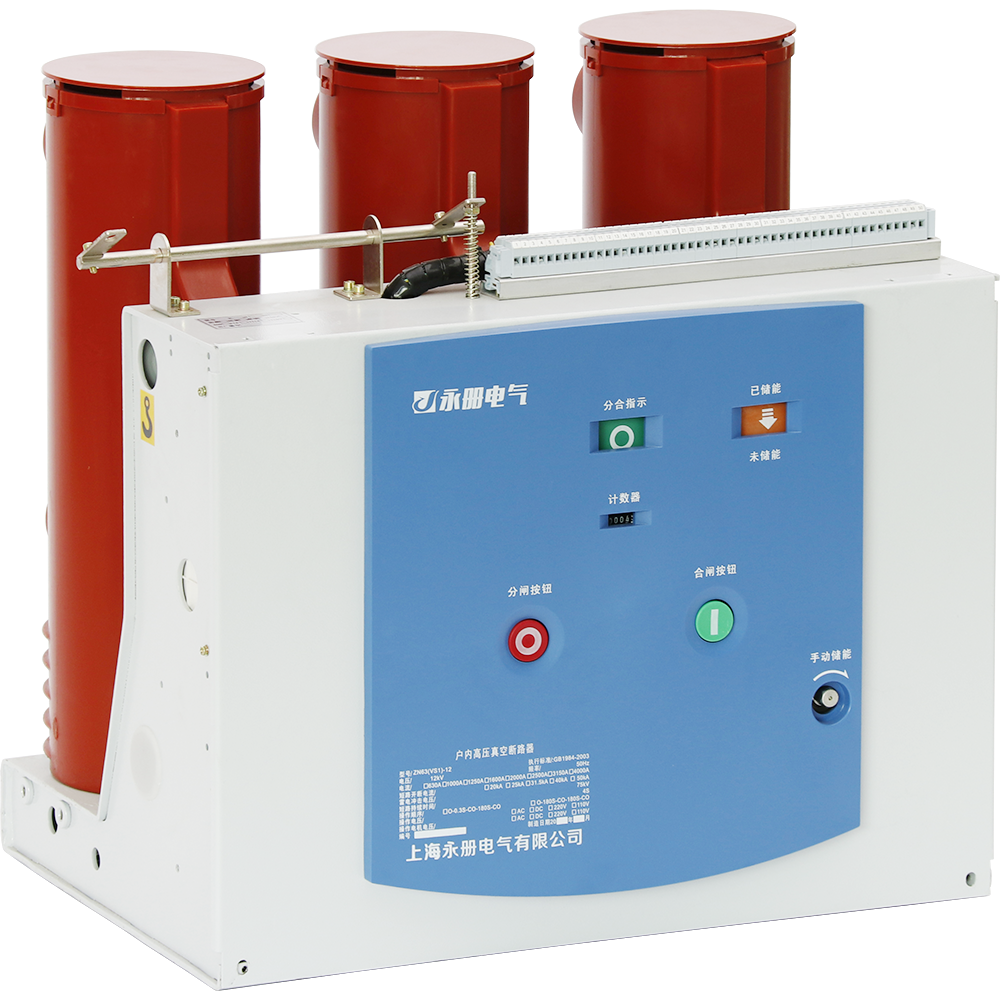
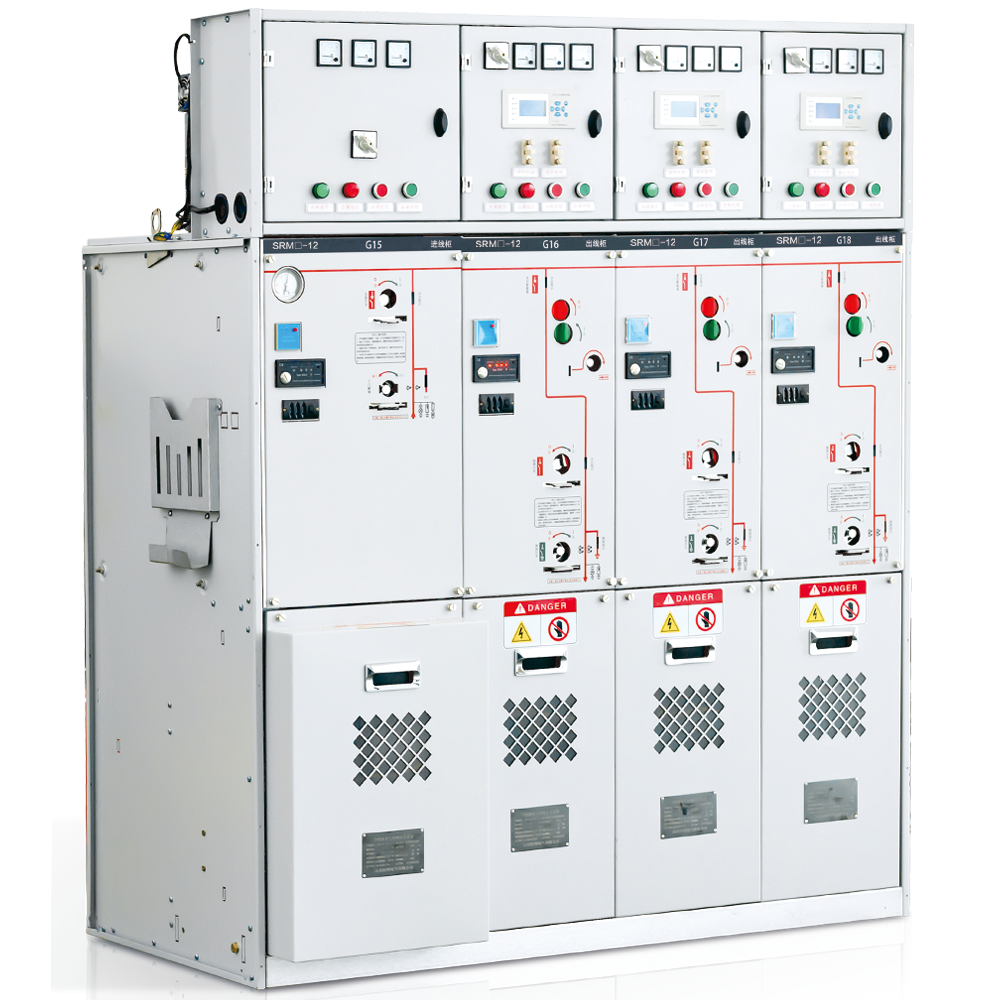
- Switch Type: Vacuum circuit breaker / load switch-fuse combination (meeting grid-connected switching requirements).
- Grounding Mode: Neutral ungrounded / grounded via arc suppression coil (complying with grid-connected specifications).
- Reactive Power Compensation: Standard SVG dynamic reactive power compensation device, compensation capacity 10-100kvar, power factor compensated to ≥0.98 (meeting photovoltaic power factor requirements).
4.4 Intelligent Grid-connected Parameters (Standard Configuration for Photovoltaic)
- Measurement and Control Function: Real-time monitoring of photovoltaic side/grid side voltage, current, power, power generation, power factor.
- Communication Function: RS485/Modbus/4G/5G IoT module, supporting docking with photovoltaic inverters, grid dispatching systems, and photovoltaic monitoring platforms.
- Remote Control: Supporting remote closing/opening, fault reset, data upload, adapting to unattended operation needs of photovoltaic power stations.
- Data Recording: Storage of power generation, fault information, and operation parameters for ≥1 year, meeting power grid source tracing requirements.
5. Working Conditions
5.1 Environmental Conditions (Adapting to Photovoltaic Outdoor/Rooftop Installation Characteristics)
- Ambient Temperature: -30℃~+55℃ (designed with photovoltaic special wide temperature range, withstanding extreme outdoor temperature differences).
- Relative Humidity: ≤95% (at 25℃), allowing short-term condensation (standard dehumidification device, adapting to outdoor humid environment of photovoltaic).
- Altitude: ≤2000m; derating customization available for altitude >2000m (adapting to plateau photovoltaic power stations).
- Installation Environment: No strong corrosive gas, no severe vibration, no direct scouring by sand and dust or heavy rain; rooftop installation needs to meet rooftop bearing capacity ≥500kg/㎡.
- Sunlight and Protection: The box body is designed with anti-ultraviolet, rainproof and snow-proof functions, protection level ≥IP54 (outdoor)/IP30 (indoor rooftop).
5.2 Electrical Working Conditions (Conforming to Photovoltaic Power Generation and Grid-connected Specifications)
- Power Frequency: 50Hz±2Hz, matching the frequency of photovoltaic inverter output and power grid.
- Voltage Fluctuation: ±15% for low voltage side, ±10% for high voltage side, withstanding voltage changes of photovoltaic power grid.
- Load Characteristics: Adapting to photovoltaic intermittent and fluctuating loads, supporting full load/light load/no load long-term operation.
- Grid-connected Requirements: Complying with national "Technical Requirements for Distributed Power Source Grid Connection" and "Technical Specifications for Operation and Control of Photovoltaic Power Stations".
- Installation Method: Outdoor cement foundation ground installation, rooftop lightweight support installation, installation site flatness ≤5mm/m, away from high-voltage lines and strong interference sources.
6. Performance Characteristics
- Photovoltaic special adaptation, grid-connected compliance: Core components are customized according to photovoltaic power generation characteristics, standard configuration of anti-islanding, overvoltage, overfrequency and other necessary grid-connected protections. All parameters comply with national photovoltaic grid-connected specifications, and can pass grid acceptance without additional equipment installation.
- Complete set integration, efficient installation: Transformers, switches, protection, measurement and control components are fully pre-assembled and debugged in the factory. On-site only need to complete photovoltaic inverter connection, grid incoming/outgoing line connection and foundation fixation, with installation period of 2-5 days, adapting to the rapid construction needs of photovoltaic power stations.
- Energy-saving and high-efficiency, adapting to high photovoltaic output: Equipped with photovoltaic special high-efficiency energy-saving transformer, loss is 15%-20% lower than national standard. Combined with SVG dynamic reactive power compensation, power factor ≥0.98, reducing power transmission loss of photovoltaic power stations and improving power generation efficiency.
- Wide temperature resistance, strong environmental adaptability: Adopting photovoltaic special wide temperature design and anti-ultraviolet, anti-corrosion box body, withstanding extreme temperature of -30℃~+55℃ outdoors, protection level ≥IP54, adapting to various photovoltaic installation scenarios such as desert, water surface, rooftop, etc.
- Intelligent monitoring, unattended operation: Equipped with photovoltaic special intelligent measurement and control system, real-time monitoring of power generation, operation parameters and fault information, supporting 4G/5G remote transmission, control and fault automatic alarm and opening, fully adapting to the unattended operation and maintenance needs of photovoltaic power stations.
- Compact and lightweight, space saving: Lightweight box structure designed for rooftop photovoltaic, 20%-30% lighter than ordinary industrial box-type substations, small volume, no large area occupation for rooftop/outdoor installation, adapting to the space limitations of industrial and commercial rooftops and park photovoltaic.
- Complete protection, safe and reliable: In addition to photovoltaic grid-connected special protection, transformer over-temperature protection, lightning protection, surge protection and anti-shock protection are added. The high voltage side is equipped with five-prevention interlock, all components are selected from photovoltaic special industrial-grade products, withstanding long-term photovoltaic load and frequent start-stop operation, low failure rate and service life ≥20 years.
- Accurate measurement, convenient source tracing: Standard photovoltaic special metering meter certified by State Grid, supporting accurate forward/reverse energy metering, data storable and uploadable, meeting the needs of power grid settlement, power generation statistics and source tracing.