 Yongce Group Co., Ltd.
Wind Power Box-type Substation Product Introduction
1. Product Introduction
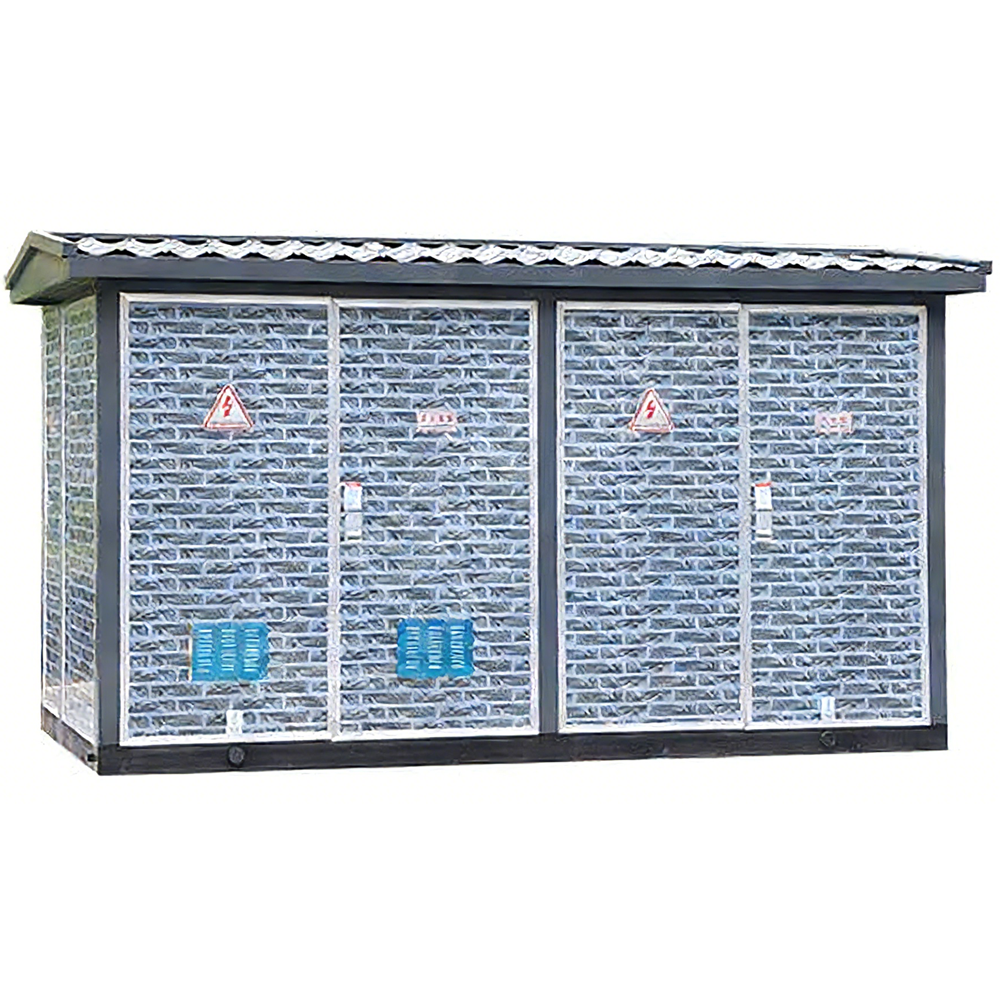
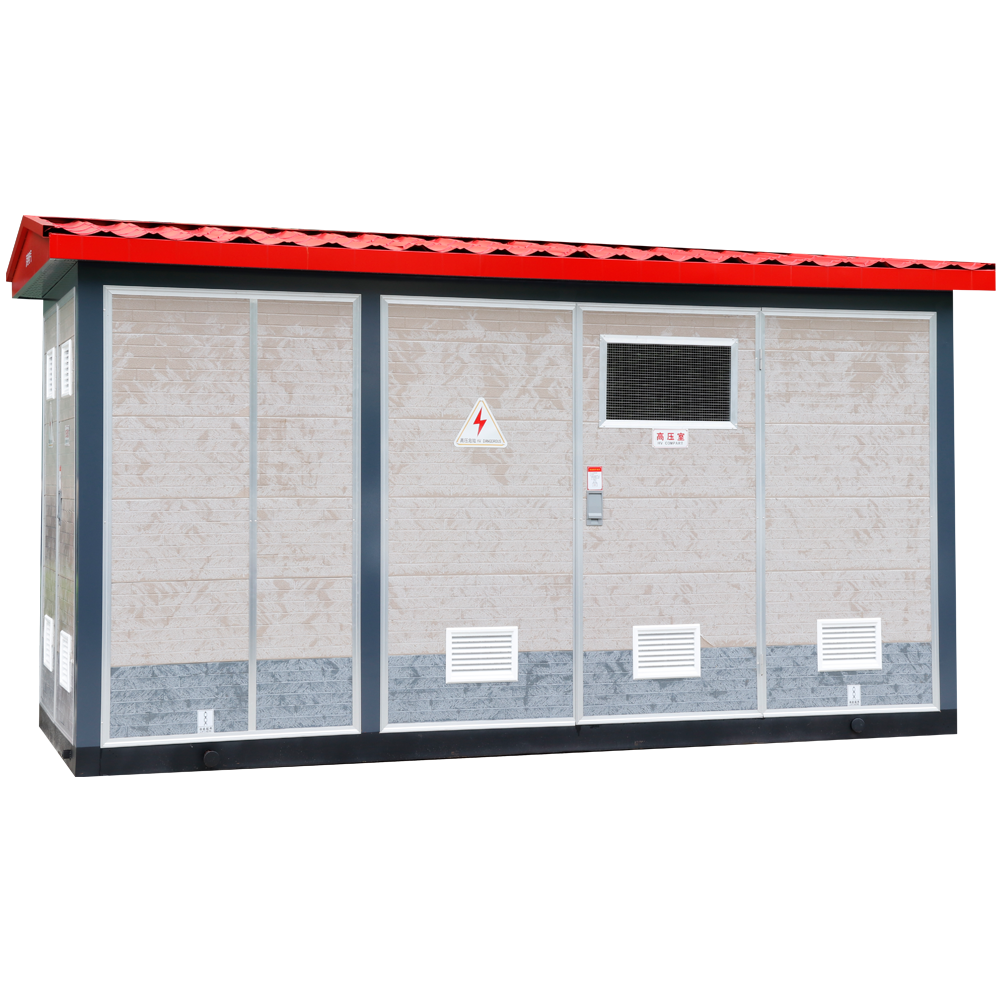
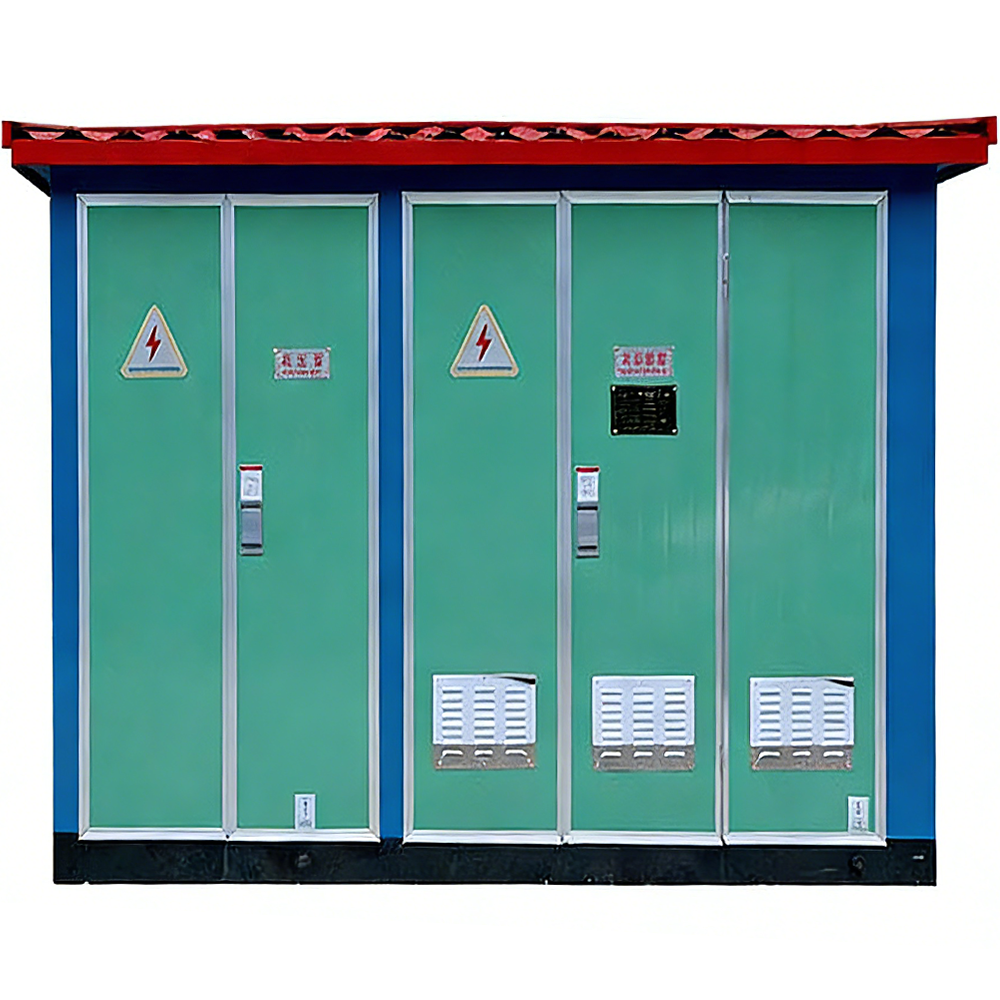
The wind power box-type substation (wind power box transformer for short) is an outdoor prefabricated complete set of equipment that steps up the low-voltage electric energy of wind turbines to connect to the grid in the wind power system. It integrates the functions of voltage transformation, protection, control and monitoring, can adapt to harsh outdoor working conditions, features modular and tightly protected structure, and has high reliability, strong adaptability and intelligent operation and maintenance capabilities.
It is an outdoor prefabricated complete set of equipment integrating step-up transformer, high-voltage switchgear, low-voltage distribution device, protection and monitoring system. Its core function is to step up the low-voltage electric energy (0.69kV/1140V) output by wind turbines to the grid-side voltage such as 35kV to meet the grid connection requirements, while providing protection against short circuit, overcurrent, lightning strike and remote monitoring capabilities. It is widely used in onshore wind farms, offshore wind farms and other scenarios. Its common types include American-style box transformers (combined type with compact structure) and European-style box transformers (prefabricated type with good maintainability). The mainstream type is oil-immersed, and dry-type is also used for special environments, complying with standards such as GB/T 17467 - 2020 and DL/T 537 - 2018.
2. Operating Conditions
| Parameter | Standard Range | Remarks |
|---|---|---|
| Altitude | ≤3000-4000 meters | Derating operation is required when altitude increases |
| Ambient Temperature | -45℃~+40℃ (up to +42℃ for some models) | Heating devices are required in low-temperature areas, and enhanced heat dissipation is needed in high-temperature areas |
| Relative Humidity | Daily average ≤95%, monthly average ≤90% | Enhanced moisture-proof measures are required in coastal/humid and hot environments |
| Wind Speed | ≤40m/s | Box structure needs to be reinforced in special areas |
| Seismic Capacity | Horizontal acceleration ≤0.4m/s², vertical acceleration ≤0.2m/s² | Safety factor ≥1.67 |
| Pollution Class | Class Ⅳ and below | Anti-salt spray and anti-pollution coatings are required in coastal/chemical zones |
| Protection Grade | IP54 and above for shell, IP65 for special environments | Dustproof, splashproof/waterproof, adapting to outdoor working conditions |
| Installation Inclination | ≤3° | Avoid affecting insulation and heat dissipation |
3. Structural Characteristics
The wind power box transformer has a modular and integrated structural design, with the following core characteristics:
-
Overall Layout: Adopts a modular three-chamber structure, with high-voltage chamber, transformer chamber and low-voltage chamber independently separated, facilitating maintenance and fault isolation.
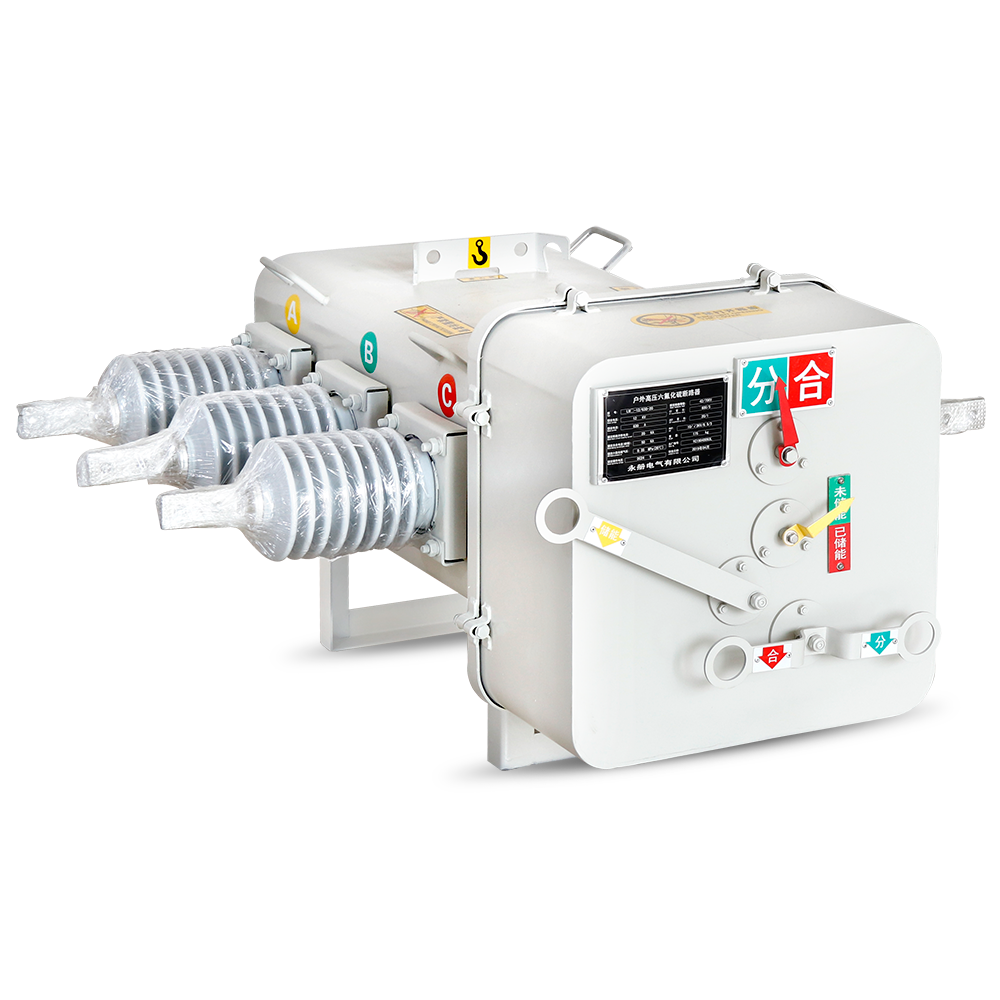
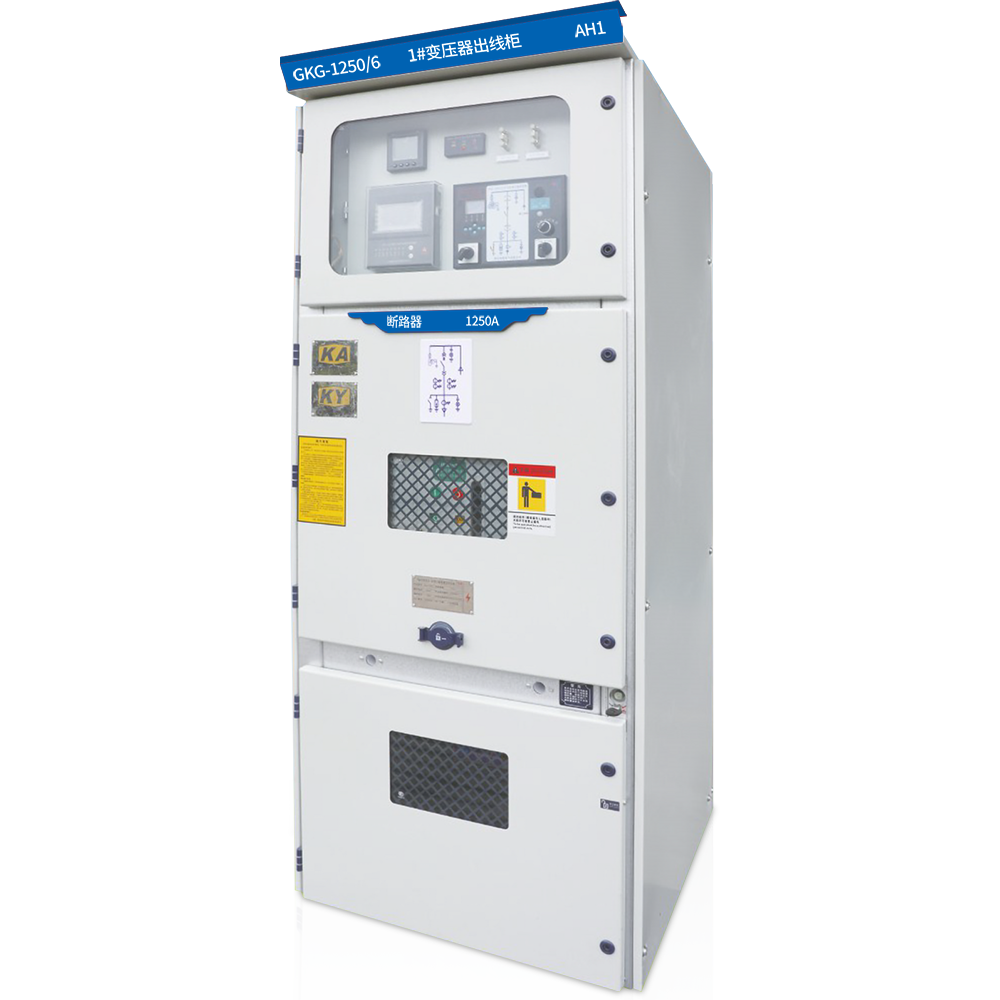
- High-voltage chamber: Integrates load switch, fuse, arrester, live display, etc. The main protection is current-limiting fuse + load switch, with lightning protection and short-circuit protection functions.
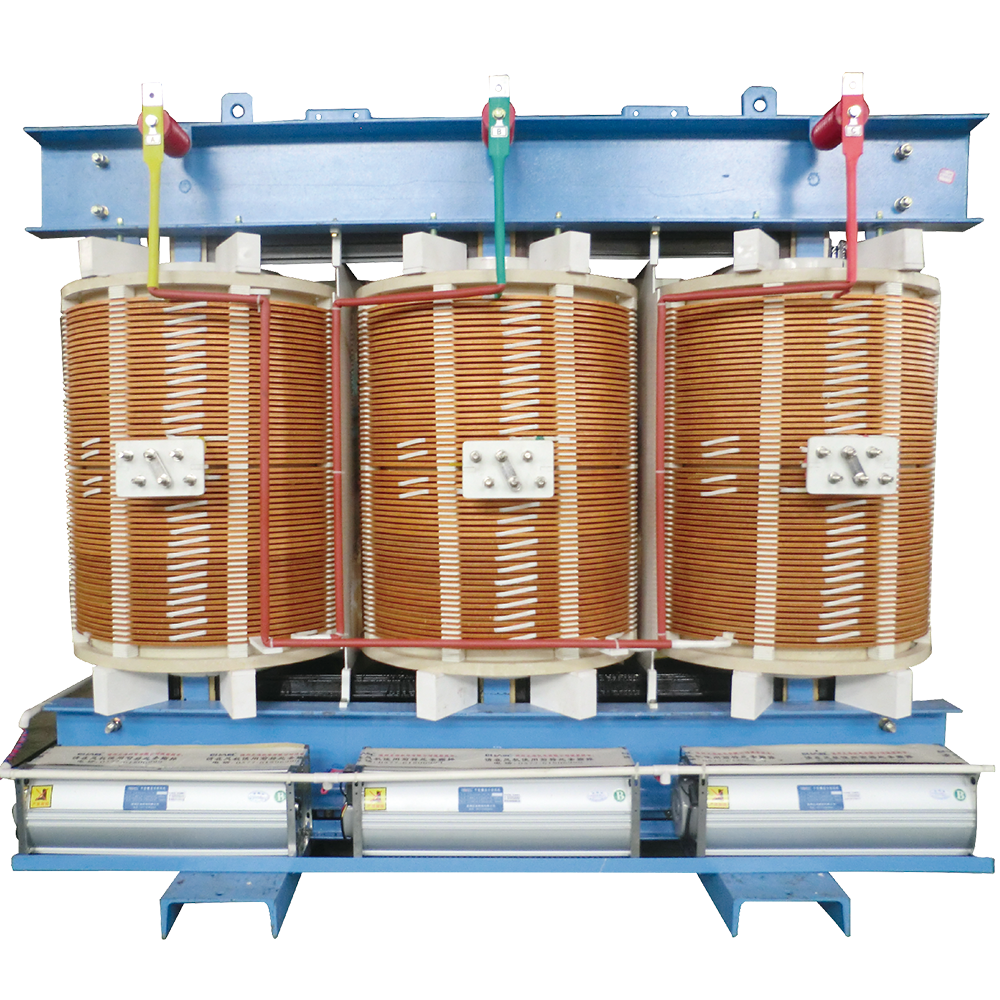
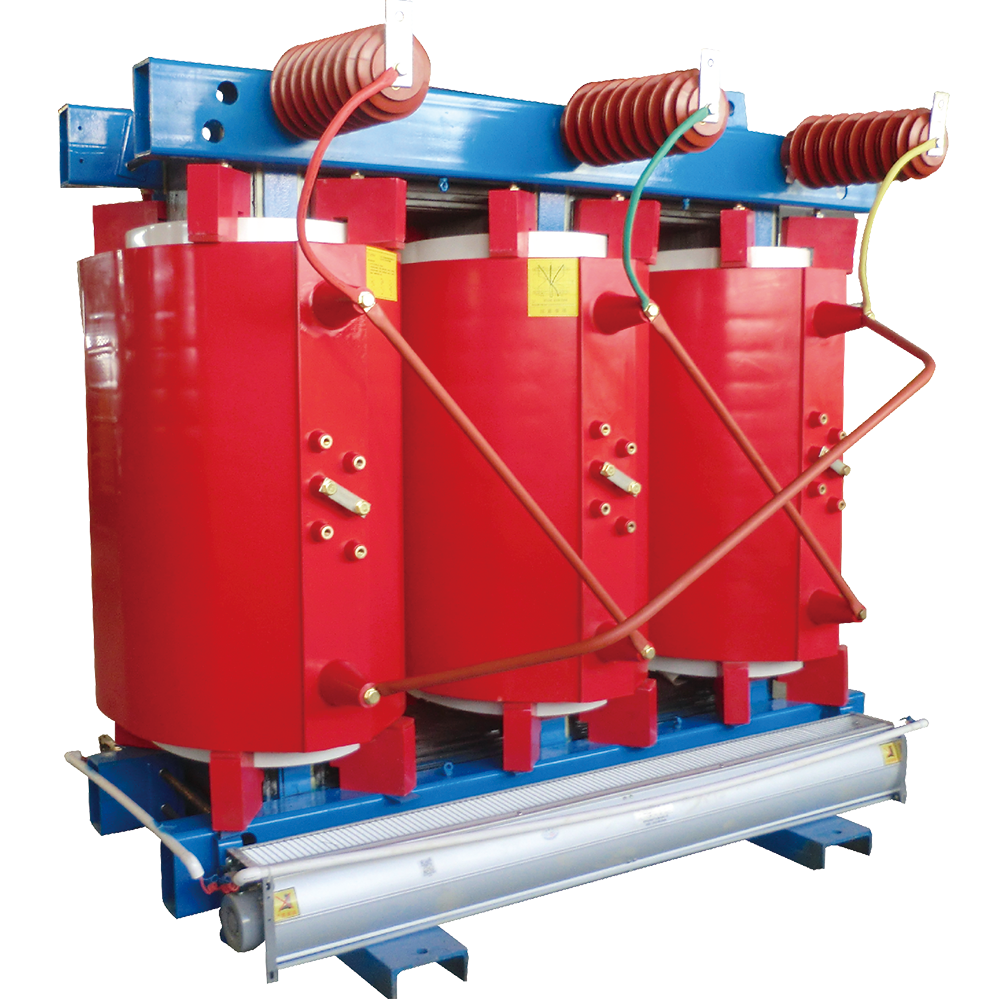
- Transformer chamber: The core is oil-immersed/dry-type transformer. Oil-immersed type is usually with fully sealed oil tank and independent radiator, and the wiring group is mostly Dyn11 to suppress harmonics and improve single-phase fault removal capability.
- Low-voltage chamber: Includes low-voltage circuit breaker, metering device, reactive power compensation, PLC monitoring unit, realizing electric energy metering, low-voltage protection and remote data acquisition.
- Box Body and Protection: The shell is made of anti-corrosion steel plate or non-metallic environmental protection materials, treated with baking paint/spraying plastic, with excellent sealing performance. Equipped with independent ventilation or forced air cooling system to ensure stable heat dissipation.
- Electrical Connection: Elbow/T-type cable heads are commonly used on the high-voltage side, and busbar connection is adopted on the low-voltage side. Grounding switches and interlocking devices are set in high and low voltage chambers to ensure the safety of operation and maintenance.
4. Performance Characteristics
- High Reliability: Fully sealed oil tank (oil-immersed type) isolates air, reducing the risk of insulation aging; fuse + load switch quickly removes faults to protect equipment safety; Dyn11 wiring suppresses third harmonics and enhances the bearing capacity of unbalanced load.
- Strong Environmental Adaptability: Protection grade up to IP54/IP65, resistant to salt spray, sand, high and low temperature; modular design facilitates on-site installation and expansion, shortening the construction period.
- High Efficiency and Energy Saving: Transformers use low-loss iron core and winding to reduce no-load and load loss; independent heat dissipation system improves heat dissipation efficiency and reduces energy consumption; short-circuit impedance is 6%-8%, effectively limiting fault current and protecting system equipment.
- Intelligent Operation and Maintenance: Built-in sensors for voltage, current, temperature, etc., supporting remote monitoring and data upload; some models have on-load voltage regulation function (±2×2.5% or ±4×2.5%) to adapt to grid voltage fluctuations; equipped with electric energy metering device to meet the needs of billing and energy efficiency management.
- Safety and Friendliness: Clear isolation between strong and weak electricity, perfect interlocking and grounding devices; the box reserves operation corridor and maintenance door, making operation and maintenance convenient and safe.
5. Selection and Application Points
- Capacity matching: Select the model according to the rated power of the wind turbine + over-generation margin, e.g., 5500-6000kVA box transformer is commonly used for 5MW wind turbines.
- Voltage level: The primary side matches the output of the wind turbine (0.69kV/1140V), and the secondary side matches the collector line (35kV as the main).
- Voltage regulation and impedance: Select the voltage regulation range according to grid fluctuations, and determine the short-circuit impedance according to the system short-circuit current calculation.