 Yongce Group Co., Ltd.
Solar Energy Substation Product Introduction
1. Product Brief Introduction
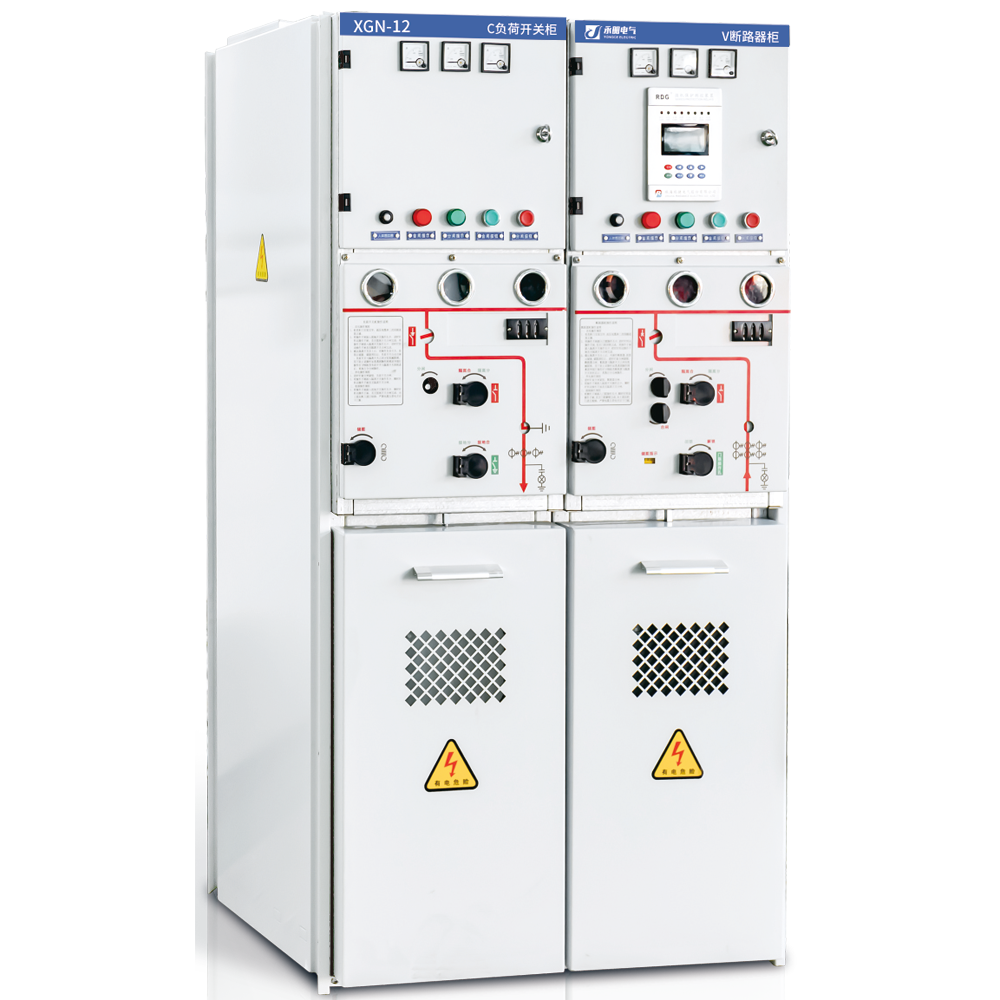
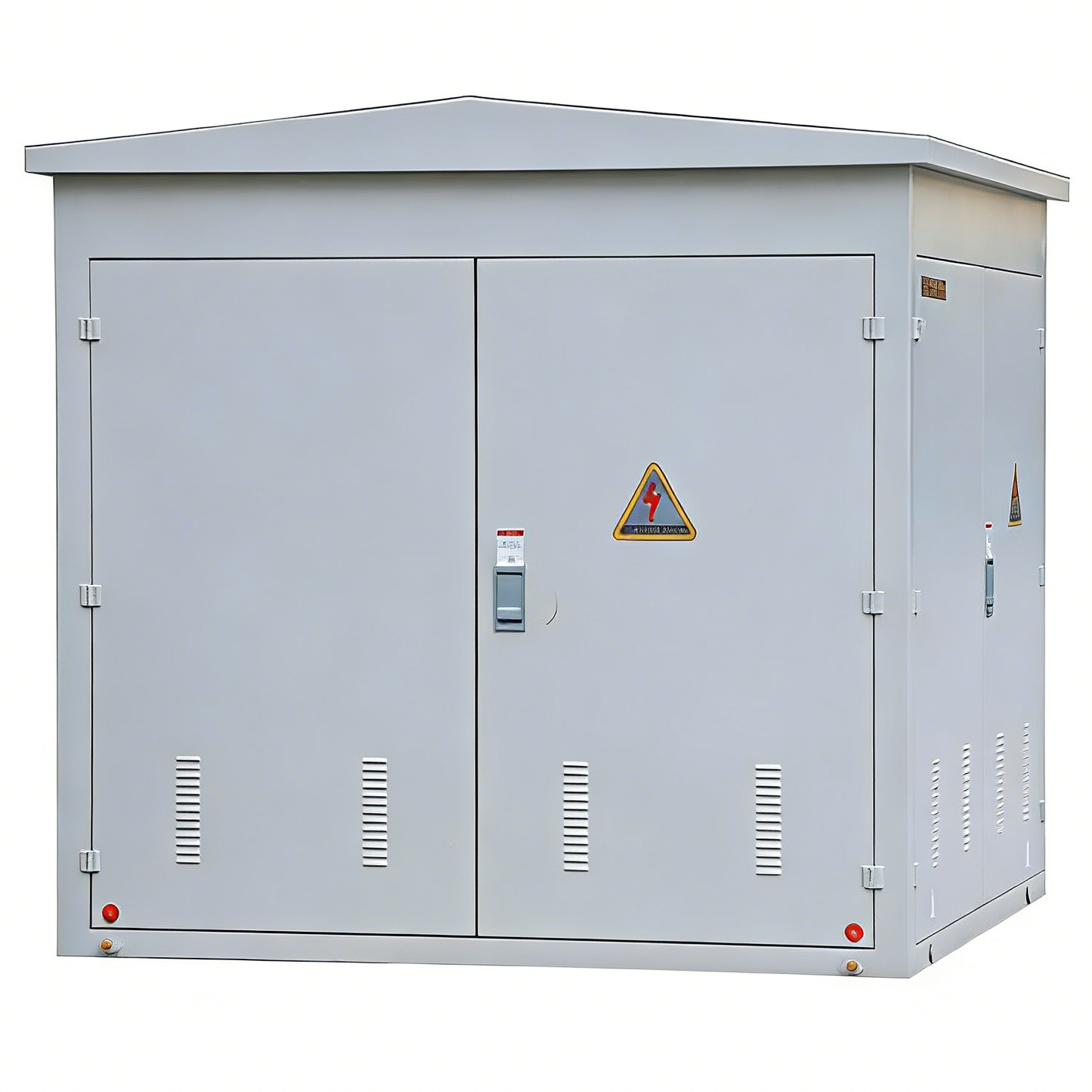
The solar energy substation is an integrated set of step-up and grid-connected power distribution equipment specially designed for photovoltaic solar power generation systems, integrating core components such as photovoltaic special step-up transformers, high and low voltage switchgear, grid-connected protection and measurement devices, reactive power compensation modules, and lightning protection components. It is optimized for the intermittent and fluctuating characteristics of solar power generation, realizing the integration of current collection, step-up, grid connection, protection and intelligent control of photovoltaic power generation. The equipment is fully pre-assembled and debugged in the factory with an integrated sealed box structure, featuring high weather resistance, grid connection compliance and intelligent control performance. It is the core power distribution equipment connecting photovoltaic arrays and the public power grid in centralized and distributed photovoltaic power stations, adapting to the large-scale and unattended operation requirements of photovoltaic power stations.
2. Scope of Application
- Centralized PV scenarios: Step-up and grid-connected power distribution for large-scale ground-mounted photovoltaic power stations, desert photovoltaic power stations, and photovoltaic leader bases, adapting to large-capacity centralized power generation needs.
- Distributed PV scenarios: Power distribution and grid connection for industrial and commercial rooftop PV, district distributed PV, and rural PV poverty alleviation power stations, adapting to distributed power generation needs.
- Composite PV scenarios: Outdoor step-up power distribution for agrivoltaic, fishery-solar hybrid, forest-solar hybrid photovoltaic power stations, adapting to multi-scenario composite power generation needs.
- Special PV scenarios: Customized power distribution for rooftop lightweight PV, building-integrated photovoltaics (BIPV), and mobile photovoltaic power stations.
- Voltage level configuration: 0.4kV AC incoming lines from PV inverters, 10kV/35kV/110kV outgoing lines to the grid side, covering PV power generation capacity from 50kVA to 20000kVA.
- Off-grid/grid-connected dual mode: Adapting to off-grid solar power supply in remote areas without grid coverage, as well as conventional grid-connected power generation needs.
3. Model Definition (PV Solar Energy Special, Industry Universal Compilation Rules)
The model number of solar energy substation is compiled by prefabricated substation code + solar characteristic code + voltage level + transformer capacity + extended function code. The core model such as YBM-TY-35/0.4-5000, with clear definition of each part to meet PV step-up and grid connection requirements for easy identification:
- YBM: General code for prefabricated substations (Y - Prefabricated, B - Substation, M - Sealed type, adapting to outdoor PV environment); TY: Special characteristic code for solar energy generation (T - Solar, Y - Energy), distinguishing from conventional industrial and hydropower substations.
- 35/0.4: Rated voltage, 35kV/12kV (10kV)/110kV on the high-voltage grid side, 0.4kV on the low-voltage PV side (standard output voltage of PV inverters).
- 5000: Rated capacity of solar energy special step-up transformer in kVA, with common specifications of 50/100/500/1000/5000/10000kVA (small-capacity step-up transformers can be customized).
- Extended code: J - Centralized type, F - Distributed type, L - Off-grid type, Z - Intelligent grid-connected type, G - High-cold type, H - Coastal anti-corrosion type, marking PV-specific scenarios/functional characteristics.
4. Working Conditions
4.1 Environmental Conditions (Adapted to Outdoor PV, All-Climate Characteristics)
- Ambient temperature: -40℃~+60℃ (PV-specific wide-temperature design), withstanding extreme temperature differences in the Arctic, southern high temperatures and deserts.
- Relative humidity: ≤95% (at 25℃), allowing short-term condensation; equipped with anti-condensation devices to prevent internal components from getting damp.
- Altitude: ≤3000m; customized derating design available for altitude >3000m, adapting to plateau photovoltaic power stations.
- Sun protection & weather resistance: The box body is designed with anti-UV, rainproof, snowproof and dustproof features, withstanding strong solar radiation.
- Installation environment: Outdoor open fields, rooftops, PV support racks, free from strong corrosive gases and severe vibrations; anti-corrosion reinforcement optional for coastal areas.
- Lightning protection requirements: Grounding resistance ≤4Ω, independent grounding for high and low voltage sides, adapting to the large-area outdoor and thunder-prone characteristics of photovoltaic power stations.
4.2 Electrical Working Conditions (Compliant with Solar Power Generation and Grid Connection Specifications)
- Power frequency: 50Hz±2Hz, withstanding small fluctuations in the output frequency of PV inverters.
- Voltage fluctuation: ±15% on the PV side, ±10% on the grid side, adapting to the voltage fluctuation characteristics of PV power generation with daily irradiance changes.
- Load characteristics: Adapting to the intermittent, fluctuating and impulse-free load of solar power generation, supporting long-term alternating operation of full load/light load/no load.
- Grid connection standards: Compliance with GB/T 37408-2019 "Technical Requirements for Grid Connection of Distributed Photovoltaic Power Stations" and GB/T 19964-2021 "Technical Specifications for Operation and Control of Photovoltaic Power Stations Connected to Power Grid".
- Installation method: Outdoor concrete foundation grounding, rooftop lightweight support installation, integrated PV array installation; flatness of installation site ≤5mm/m.
- Execution standards: GB/T 17467-2019 "Prefabricated Substations" and GB/T 29319-2022 "Design Specifications for Photovoltaic Power Stations".
5. Main Technical Parameters
5.1 Low Voltage Side (PV Inverter Incoming Line, 0.4kV)
- Rated Voltage: 400V/230V (line voltage/phase voltage), perfectly matching the AC output standard of PV inverters.
- Rated Current: 400A/630A/1250A/2500A, supporting current collection of multiple inverters.
- Incoming Circuits: 4-32 circuits (customizable), meeting PV array current collection needs.
- Grid-connected core protection: Equipped with anti-islanding protection, overvoltage/undervoltage protection, overfrequency/underfrequency protection, phase loss protection, reverse power protection, complying with national PV grid connection standards.
- Lightning protection function: Class I + II double-layer surge protection device (SPD) with nominal discharge current ≥80kA, adapting to outdoor PV multi-thunder environments.
- Metering function: Standard configuration of national-certified PV-specific dual-directional metering meters, supporting metering of generated/consumed electricity, with data remotely transmissible to grid dispatching systems.
- Current collection function: Standard PV-specific current collection modules, realizing centralized current collection of electrical energy from multi-branch inverters and reducing line loss.
5.2 Solar Energy Special Step-up Transformer Part
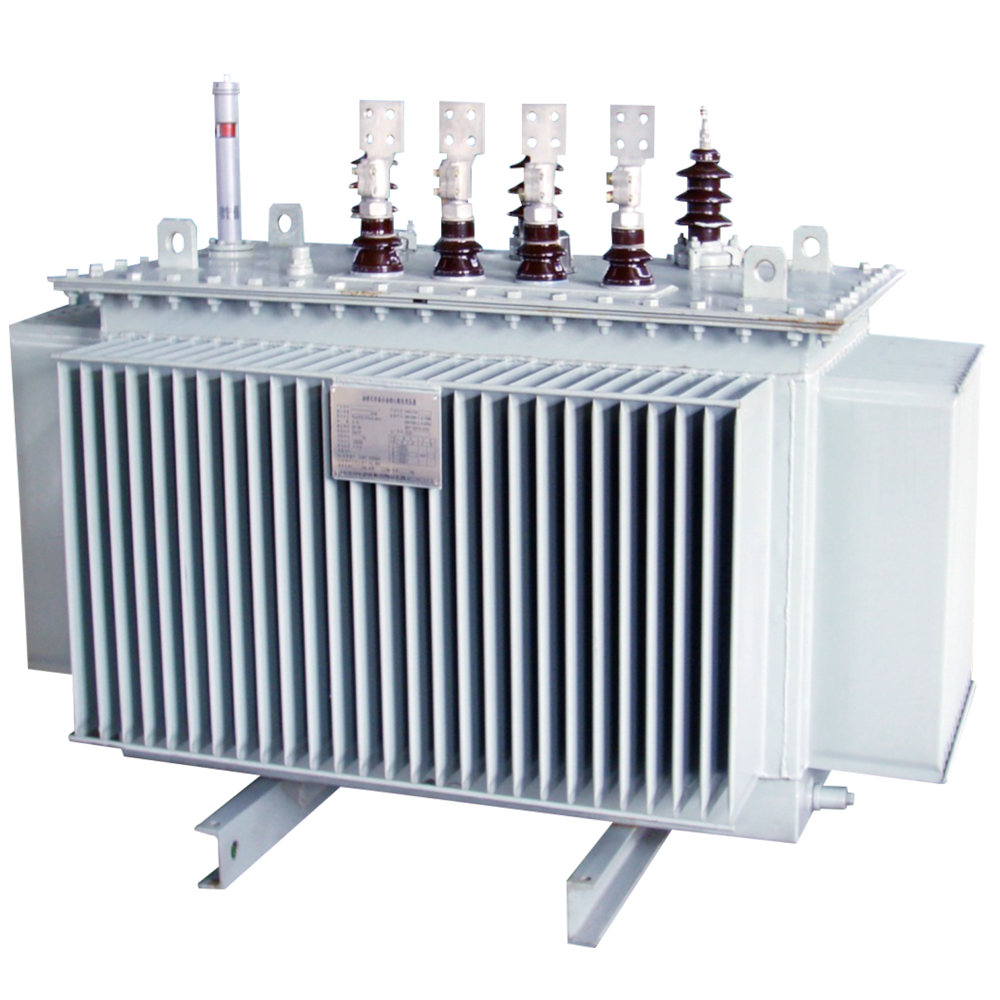
- Type: Dry-type SCB15/SCB14/S15/S16 (heat dissipation, large capacity, mainstream for PV, energy-saving, fireproof, low noise, suitable for outdoor/rooftop); oil-immersed type for centralized large-scale systems.
- Rated Capacity: 50kVA-20000kVA (50-1000kVA commonly used for distributed type, 5000-20000kVA for centralized type).
- Impedance Voltage: 4%~6% (10kV side), 8%~10% (35kV side), 10%~13% (110kV side), adapting to PV load balance stability.
- Connection Group: Dyn11/Yyn0 (PV-specific, reducing harmonic impact, adapting to non-sinusoidal output of inverters).
- Insulation Level: F/H level for dry-type, A level for oil-immersed type; temperature rise limit meets long-term full load/intermittent operation requirements of PV power generation.
- Cooling Method: AN (air natural cooling) / AF (air forced cooling) for dry-type; ONAN (oil natural air natural cooling) / ONAF (oil natural air forced cooling) for oil-immersed type.
- Protection Grade: IP23/IP33 for dry-type, IP54 for oil-immersed type, adapting to outdoor open-air installation.
5.3 High Voltage Side (Grid-connected Outgoing Line, 10kV/35kV/110kV)
- Rated Voltage: 12kV (10kV distribution network), 35kV (medium-voltage grid), 110kV (high-voltage grid).
- Rated Current: 630A/1250A/2000A/3150A.
- Rated Short-Circuit Breaking Current: 16kA/20kA (10kV), 12.5kA/16kA (35kV), 25kA/31.5kA (110kV).
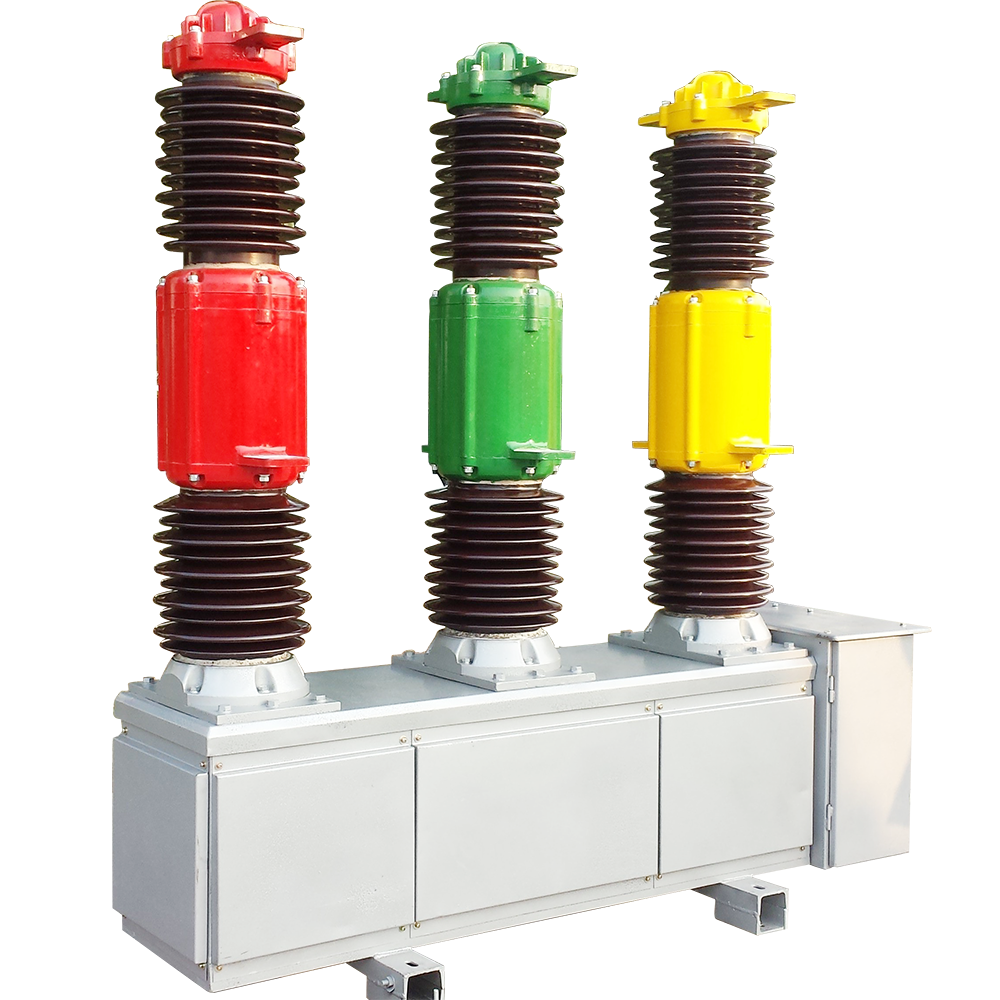
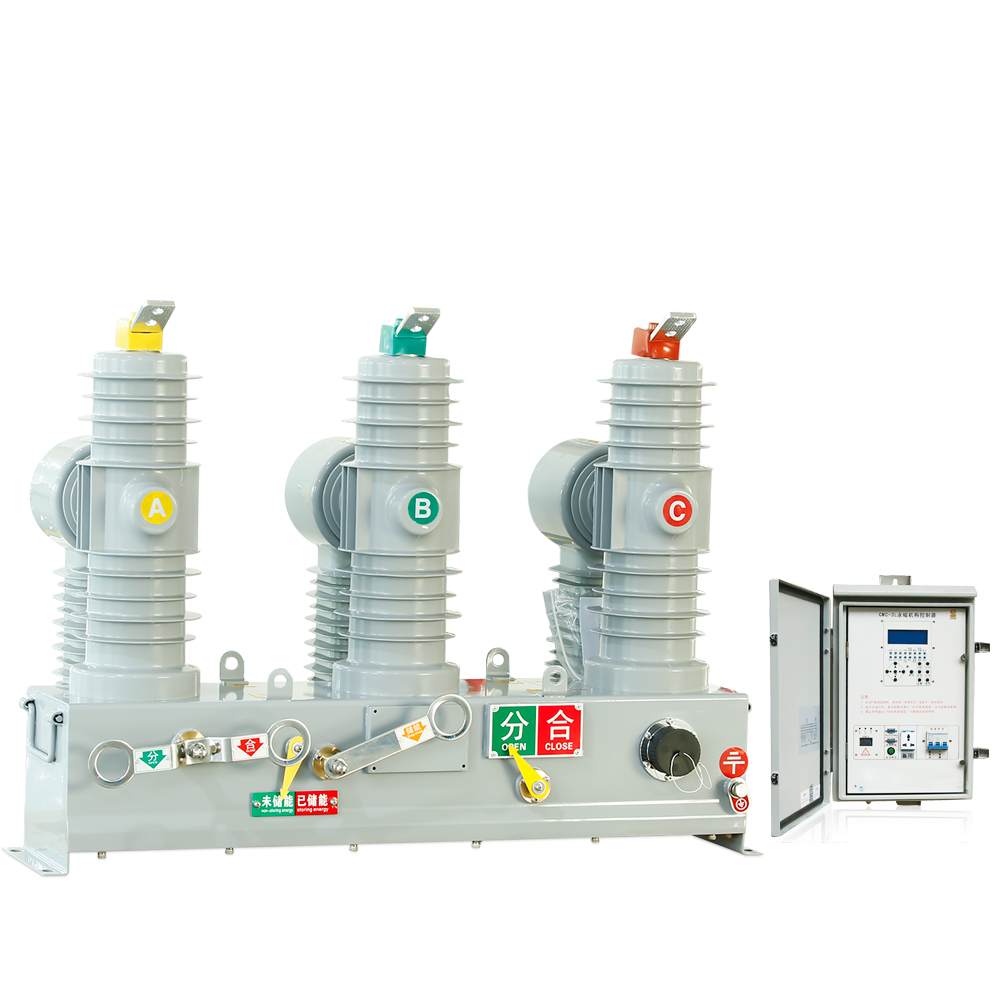
- Switch Type: Vacuum circuit breaker (10kV/35kV), SF6 circuit breaker (110kV), equipped with electric operating mechanism supporting remote closing and opening.
- Reactive Power Compensation: SVG dynamic reactive power compensation device (PV-optimized), compensation capacity 20-500kvar, power factor compensated to ≥0.98 (meeting strict PV grid connection requirements).
- Grounding Method: Neutral ungrounded / grounded via arc suppression coil (adapting to grid connection specifications).
- Grid-connected Interface: Supporting two-way communication with grid dispatching systems and PV monitoring platforms, with grid connection synchronization detection function.
5.4 Intelligent Control and Cabinet Parameters
- Monitoring Function: Real-time monitoring of PV side/grid side voltage, current, power, power generation, irradiance, and equipment temperature.
- Communication Function: RS485/Modbus/4G/5G/fiber optic networking modules, supporting docking with PV inverters, grid dispatching and smart PV platforms.
- Remote Control: Supporting remote closing/opening, fault reset and power regulation, adapting to unattended operation requirements of PV power stations.
- Cabinet Material: Outdoor special cold-rolled steel plate + electrostatic spraying + anti-UV coating with thickness ≥2.5mm, featuring corrosion resistance, weather resistance and anti-aging properties.
- Auxiliary Functions: Standard cabinet dehumidification, ventilation, anti-condensation and over-temperature alarm devices; centralized belt-type fire extinguishing module optional.
- Overall Protection Grade: IP54/IP65 for outdoor type, IP30/IP43 for rooftop distributed type.
6. Performance Characteristics
- PV-specific adaptation and grid connection compliance: Optimized for PV power fluctuation and inverter output characteristics, equipped with standard anti-islanding, overvoltage/overfrequency and other necessary PV grid connection protection devices; all parameters comply with national PV grid connection specifications, no additional equipment required, directly passing grid acceptance and supporting off-grid/grid-connected dual-mode operation of all PV scenarios.
- All-climate adaptation and strong environmental resistance: Adopting PV-specific wide-temperature design, withstanding extreme temperatures from -40℃ to +60℃; the cabinet body has anti-UV, anti-corrosion and waterproof treatment with protection grade IP54/IP65, adapting to all PV installation scenarios such as deserts, plateaus, coastal areas and rooftops, withstanding wind, rain, sand and dust erosion.
- Integrated assembly and easy installation: Current collection, step-up, protection, metering and lightning protection components are fully pre-assembled and debugged in the factory with an integrated box structure; on-site only needs to complete inverter incoming lines, grid-connected outgoing lines and foundation fixing. It can be put into operation in 2-3 days for distributed type and 3-5 days for centralized type, meeting the rapid construction requirements of PV power stations.
- Energy saving and efficiency improvement: Equipped with high-efficiency energy-saving PV-specific transformers, reducing no-load loss by 15%-25%; configured with SVG dynamic reactive power compensation, compensating power factor to ≥0.98, greatly reducing line loss and improving overall power generation efficiency of PV power stations while meeting grid energy-saving requirements.
- Safe and reliable operation: The cabinet body has a fully enclosed structure with multiple reinforced lightning protection designs to avoid lightning damage to equipment and improve system operation stability; high and low voltage sides are independently grounded with grounding resistance ≤4Ω, complying with PV power station safety operation specifications.
- Intelligent monitoring and unattended operation: Equipped with a dedicated PV intelligent monitoring system, real-time monitoring of electricity, irradiance, equipment temperature and other key parameters; fault automatic alarm and remote reset supported with 4G/5G/fiber optic transmission, adapting to large-scale and unattended operation and maintenance needs of PV power stations, reducing manual inspection costs.
- Multi-circuit current collection and adaptable to PV arrays: The low-voltage side reserves multiple inverter parallel current collection loops, which can be customized according to PV array scale, realizing centralized current collection of multiple inverters, reducing line loss during current collection and improving power generation efficiency.
- High structural stability and customizable voltage levels: Available in distributed and centralized cabinet structures, supporting voltage level upgrading of 10kV/35kV/110kV to meet step-up and grid connection needs of different-scale PV power stations.
- Low noise operation and environmental friendliness: Adopting low-noise energy-saving transformers and noise reduction and vibration reduction structural design with noise ≤45dB (distributed type), no oil leakage and no odor, adapting to industrial and commercial rooftops, districts, parks and other human-intensive scenarios without affecting the surrounding environment.
- Long service life and low operation cost: Core components adopt PV-specific industrial-grade products, withstanding long-term exposure to sunlight, temperature changes and other harsh environments; the internal components have a service life of ≥20 years with free maintenance during the period, reducing replacement and maintenance costs of core components and making operation and maintenance simple and low-cost.